
Solar Panels
Fight rising energy bills with brand new solar panels and power your home with free, clean energy. Get paid for the extra energy you don’t use and for a limited time, enjoy Zero VAT our entire range of products.
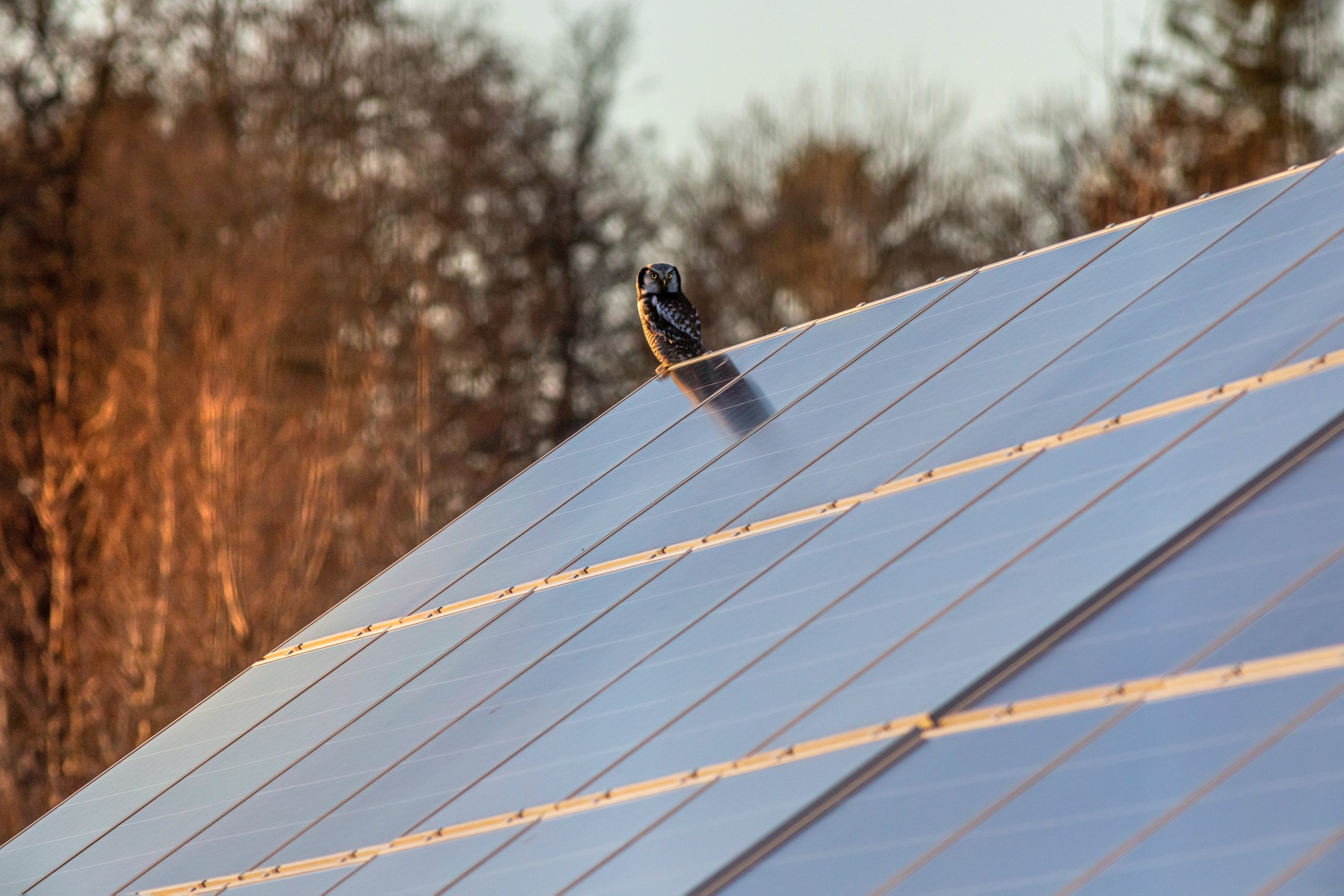
The cost of utilities have doubled in the last year. Protect yourself from future price rises
A brand new solar installation will work tirelessly for years, with no issues
As well reducing your bills, you can get paid for feeding your surplus energy back to the grid
Solar panels will slash your carbon footprint, eliminating 1.5 tonnes of CO2 each year
All our solar panels come with a 25-year manufacturer’s warranty.
A desirable feature of all modern homes, a solar power system will increase your property value
Products
Panels
Installed to your property, your solar panels will generate around 350W of energy in strong sunlight. Typical systems contain around 10 panels and generate direct current (DC) electricity.
Inverters
The electricity used by your household appliances is alternating current (AC), so an inverter is installed along with your panels to convert DC electricity to AC. This electricity can be used throughout your home, or exported to the grid.
Monitoring
Your system can be monitored in real-time to give you insights on the power generated and identify areas where you can improve your energy yield.
Solar panels have become the go-to home upgrade for those looking to save money on their energy bills, as well as help the environment. But are solar panels worth it? We find that in the vast majority of customer consultations, solar panels are worth the investment. Solar panels make your home more energy efficient, they reduce household bills and can also lead to you earning money on your energy usage – although there are a couple of things to be aware of if you’re trying to determine whether solar panels would be worth it for you.
In simple terms, solar panels work by capturing the UV rays of the sun, allowing them to be converted into electricity for use in your home. Solar panels contain something called photovoltaic (which is where solar PV gets its name) cells, spread between layers of materials, each of which has different properties that cause them to become energised when hit by light from the sun.
There can be considerable differences between the cost of different solar panels, but as with many household investments, it’s worth remembering that when it comes to quality, efficiency and operation, you get what you pay for with solar panels. Most people find that striking the best combination of solar panel power output and roof coverage is the most cost effective way of investing in solar power.
The best place to install solar power is on the south-facing section of an unshaded roof. This gives the panels the best environment in which to generate electricity. Other orientations (having the panels facing a different direction) of solar panels will still work, and contrary to popular belief you don’t need constant sunshine beating down on them. But for best results, a sunny south-facing roof is the best place to install solar panels.
For many people thinking about making the switch to solar power, one of the key questions is ‘can solar power run a house?’ It’s understandable: after all, why would you want to invest in something that won’t repay you in the expected way? Well, the good news is that, yes, solar power can run a house – and can even be used for other things like charging electric cars.
One of the most common questions people ask about solar is a simple one: will solar power work on cloudy days? It’s called ‘solar power’ after all, implying that the sun is an important part of its production, so you can understand why people would want to know this one. So, does solar power work on cloudy days? Or only when it is sunny?
Solar power helps the environment by using natural means to generate clean, green, renewable energy. Unlike old fashioned ways of generating energy, such as through coal-fired power plants, there are no greenhouse emissions generated by the household production of electricity.